The Coach for Community Founders and Execs
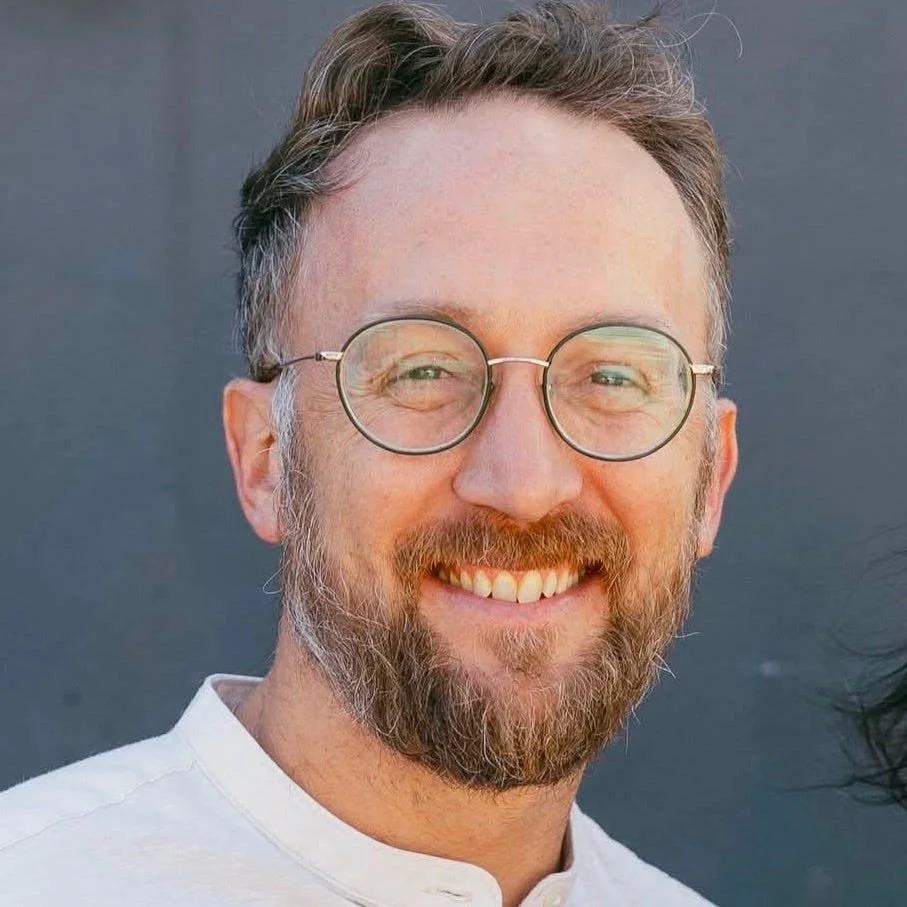
master the outer AND inner game of Leading Communities and Businesses
My Approach to Coaching
Clients who come to me have already tried the strategy and tactics. They’ve read all the business and self-help books. And yet, they continue to struggle to bring their most confident, grounded self to the world. They’re ready for a different approach.
Chronic stress and persistent negative self-talk don't show up out of nowhere. They're signals that usually show up when the stakes have increased, but you haven’t adapted in the way you need to meet the moment. Usually, they're pointing to something specific. Stop me if any of these sound familiar:
You can't stop working. Slowing down feels like a threat, even when you know you need to. Your sense of self has become tied to productivity and achievement.
You regularly feel like you have to be someone you're not. Every day involves some version of compromising what you actually need or believe.
The work used to mean something. It used to inspire you. Now it just feels soul-sucking. You've lost the thread of why any of this matters and what it feels like to have fun at work.
You’re constantly overwhelmed with the amount of work on your plate. The pile of tasks is never-ending, and you don’t see a light at the end of the tunnel.
Your business needs you to be decisive, but you’re constantly stuck in indecision and uncertainty, terrified of making the wrong choice.
The work we do together is slowing down enough to take an honest look at what’s actually going on.
What's driving the stress? Why does stopping feel so damn scary? What patterns are contributing to you being in this situation? What are you building toward, and does it still make sense to you?
This isn't therapy. But it isn't typical business coaching either. It's a specific kind of work that requires you to be willing to look inward, at your patterns, your motivations, and the stories you've been telling yourself about what success requires, so you can finally reorient your relationship to work back toward freedom, joy, and alignment.
It’s confronting work. Some clients quit because they aren’t willing to slow down or look inward. They still think they can just push their way through.
The ones who are willing to stick with it experience profound, life-changing shifts. The stress doesn't disappear, but they stop being run by it. They make decisions from a clearer place. Their nervous system finally gets a break. Work starts to feel like something they're choosing rather than something happening to them, whether that's in their current role or somewhere new.
As a former founder who bootstrapped a company to acquisition, a published author, and a community leader, I've been in the arena myself. I know how hopeless it can all feel when you feel like the asks of you have expanded beyond what you’re capable of holding. It took hitting rock bottom to finally get me to face my demons and make a change. Now I know what becomes possible when you stop pushing through it and turn toward what’s going on inside you.
If that's where you are, and you're ready to do this work, let’s talk.
Further reading: Dirty Fuel vs Clean Fuel
Who I work with
Founders and execs who are at an inflection point of growth or transition, are feeling overwhelmed, and know something needs to change
People who are successful on paper but still feel empty and unhappy, and are ready to get to the root of what’s important to them
People who are ready to slow down enough to explore their inner world
Who I don't work with
People who aren't interested in slowing down and looking inward
People who only want to grow their business faster and aren't curious about why
People who aren’t concerned with the impact of their work on themselves, their relationships, and the world
Watch: Success, Loneliness, Ambition & Why High Performers Never Feel Enough
Watch more of David’s interviews and talks here.
My Journey
A son of two immigrant parents, I’ve been seeking achievement and belonging since I was a little kid.
I spent 15 years building companies, managing teams, and leading communities. I co-founded CMX, which grew into the world's largest network of community professionals. We scaled to over 20,000 leaders globally, grew our annual summit to 1,000+ attendees, and eventually sold to a software company, Bevy.
Along the way, I wrote The Business of Belonging (Wiley, 2021), a guide to making community a competitive advantage. It's been read by thousands, translated to multiple languages, and has become a go-to resource for founders, teams, and strategists at companies ranging from early-stage startups to Meta and Google.
On paper, I was quite successful. But a few years after the acquisition, I was running on empty. I felt disconnected from my work and my life. My feelings of not-enoughness had me perpetually pushing, proving, and achieving. I could build things on that dirty fuel, but the costs were adding up.
So I stepped away to explore the question, “What does it look like to live and work more consciously and sustainably?”
That led me to meditation, therapy, coaching, and formal training in several modalities. In my coaching containers, I bring in my experience as a founder, community leader, and operator, as well as my training and experience in Internal Family Systems (IFS), somatic work, Aletheia coaching, Zen practice, meditation, and breathwork.
I learned that you don't have to choose between building something ambitious and being mindful. In fact, the leaders who do both, who work on their strategy and their inner patterns, build better companies with stronger teams and longer runways, and live more joyful and fulfilling lives.
I'm now committed to helping other entrepreneurs and leaders learn what I had to learn the hard way: how to shift from dirty fuel to clean fuel, so you can bring your gifts to the world without burning out.
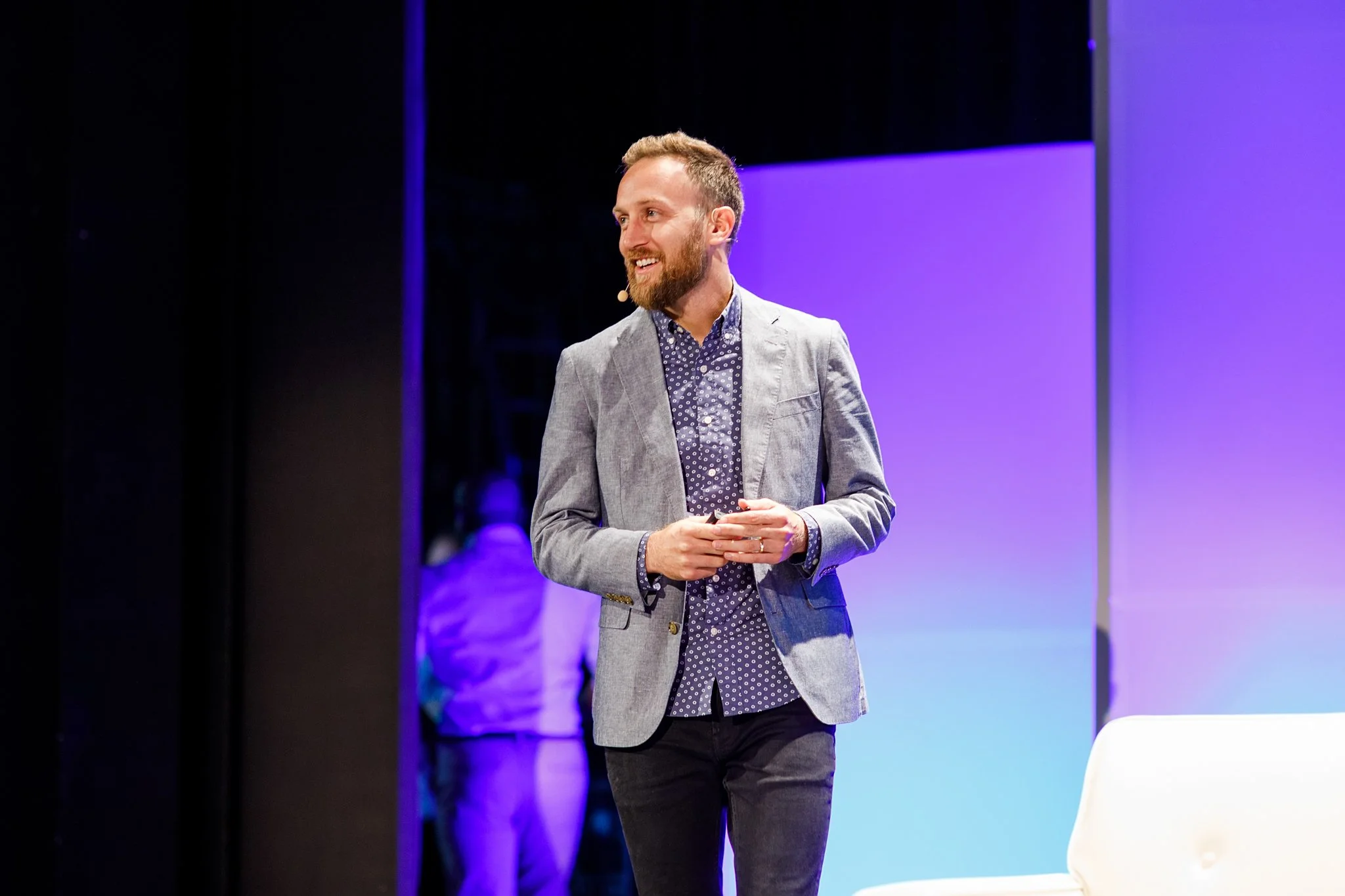
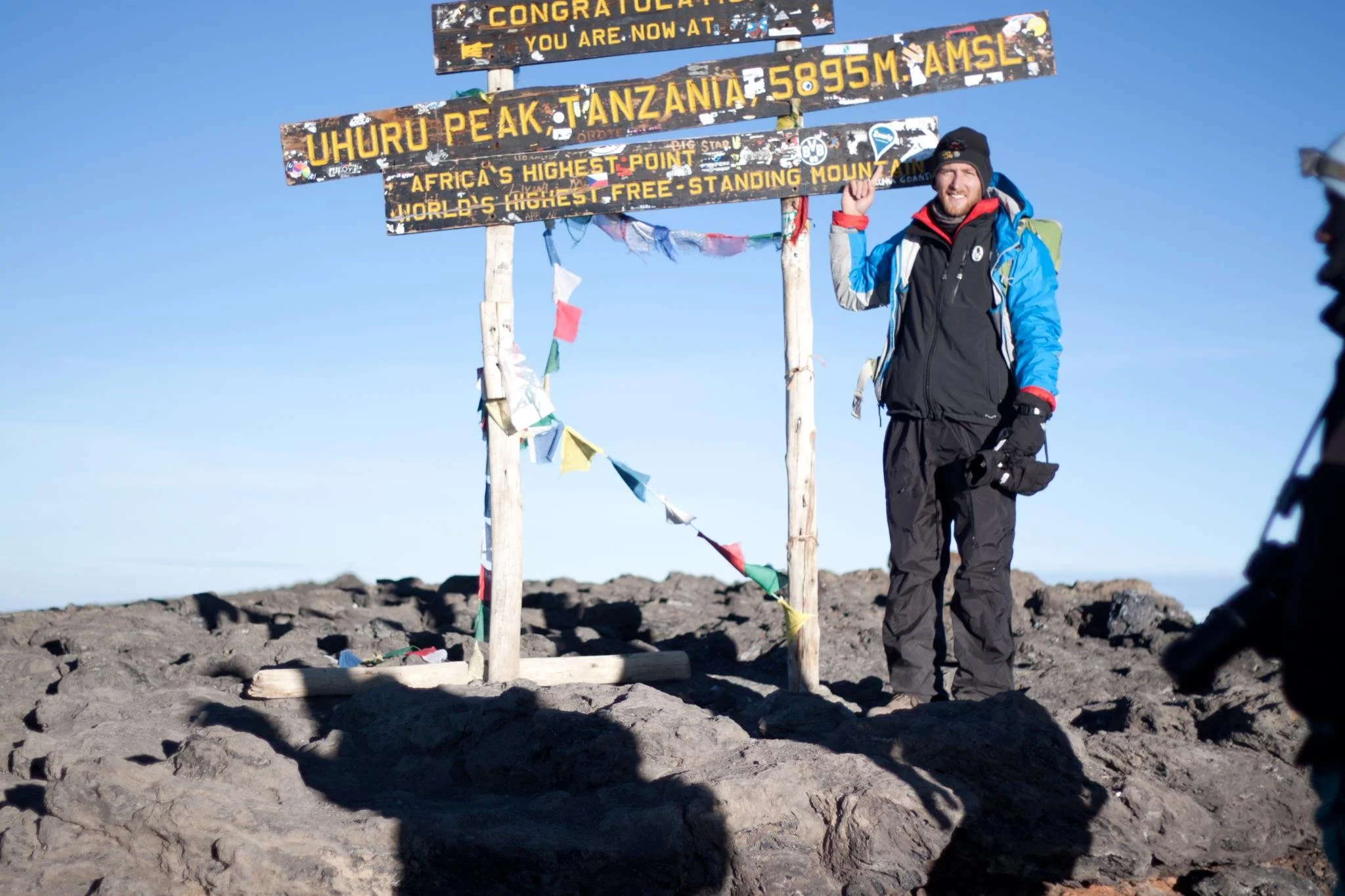
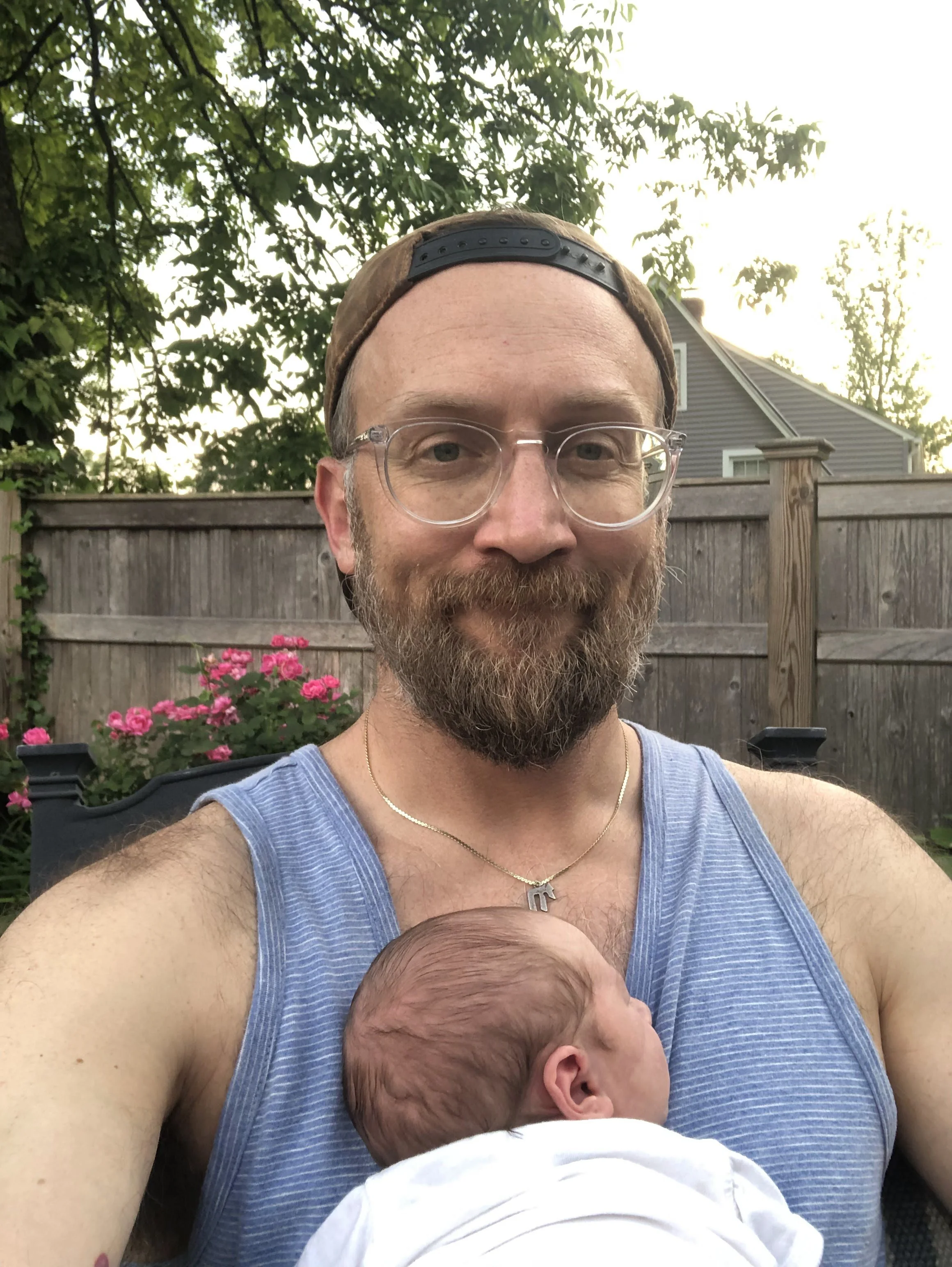
I’m also a dad of three beautifully feral children, a husband to the world’s #1 middle school math teacher, an avid hiker, a hooper (ball is life), a meditator, and a complex human with many quirks and contradictions.



Client Experiences *
Client Experiences *
“The impact of our coaching has shown up everywhere.”
I lead my department with more intention. I approach executive conversations with greater confidence. I even have more thoughtful conversations with my partner when we disagree. Bonus!
Instead of looking outside myself for the right answer, I've learned to trust my instincts and my community leadership skills while staying open to different perspectives and outcomes.
David created a space where I felt completely seen. I'm incredibly grateful for the opportunity to work with him, and I recommend him wholeheartedly to anyone looking to grow as both a leader and a person.
Lisa Del Sol, Senior Director, Community
MyHealthTeam
“I'd been intellectually agonizing over a decision for months.”
In one of our early sessions, David guided me through a somatic practice that surfaced the answer my body already knew in about twenty minutes.
I didn't leave coaching as a different person as much as I left as someone who actually understands and likes the person he already is.
If you're in a season of real transition — career, identity, direction — and you want someone who can support and guide you through it, rather than spiraling, stalling, or overthinking — David is the person."
Mark Robinson, CEO, Brandtegic
“David is the most special kind of coach.”
I don’t even know how to describe him to people. His ability to listen, REALLY listen, and gently challenge me with thoughtful questions is unlike any coach I’ve ever worked with. Working with David opened up a whole new world of self-discovery and growth for me. It was an absolute honor.”
Danielle Letayf, CEO and Founder, Badassery
“I cannot overstate how helpful David Spinks has been as my exec coach.”
If you’re in need of a mentor who can unearth your own wisdom when it’s needed, but also tell you what works and what doesn’t when that’s appropriate, he is THE guy.
Greg Larkin, Founder, Punks and Pinstripes
“David has this incredible way of making you feel safe through it all.”
I started working with David to get help growing my community and business, but I ended up getting way more than just practical advice. Being a founder is a wild ride, and every day can feel like a new challenge. He’s not just focused on the business side, he really helped me grow as a person, too. Every session felt like a chance to reflect, get clear on my values, and figure out how to align them with my work. I always left our conversations feeling more grounded and ready to handle whatever came next. If you’re looking for someone who truly gets the ups and downs of leadership and can guide you through it with heart, I can’t recommend David enough.
Maura McInerney-Rowley, Founder, Hello Mortal
“Every session I left with more energy than I came in with”
David was amazing to work with. He is exceptional at pushing you to peel back the layers and figure out the true why behind whatever you're dealing with. I'd highly recommend him to any early or growth-stage founder.
Peter Johann, COO | Co-Founder at Pirros
FAQ

-
First things first, don't be nervous. We'll start with a free chemistry call to determine if there’s a mutual fit.
If we decide to move forward, you’ll get a thorough onboarding to help us get up to speed, reflect on your current state, and get clear on your goals.You can schedule that chemistry call here: Click Here to Schedule
-
For the first month, we’ll meet weekly to get up to speed.
Once we’re up to speed, we switch to bi-weekly as the default.
If clients need an additional session, occasionally, no problem. There’s no charge for additional sessions between our biweekly sessions. You should truly feel like you have a partner in your corner.
I’m available for my clients asynchronously via email, text, and voice message, and aim to respond within 48 hours (usually much quicker).
-
I offer three packages:
Three-month: Long enough to learn the fundamental moves of this practice and experience small but notable shifts in your life and way of being.
Six-month: Ample time to get to greater depth, and create the conditions for substantial shifts in your life and way of being.
Twelve-month: Allows for a more transformational and life-altering experience, which tends to happen over the course of years.
When a package completes, we can renew with a new package, or switch to month-to-month, if we feel there is more work to do together.
-
My base rate is $2,500. I also offer sliding scale pricing which you can learn more about here.
The fee includes all calls and asynchronous support, regardless of how many calls we do in a month.
—
Note: I believe the right client shouldn't be kept out by budget and reserve a few slots for aligned clients who need more price flexibility. Don’t let budget stop you from reaching out.
Ready to Explore working together?
Subscribe to My Newsletter
Join over 8,000 entrepreneurs and leaders who are learning how to reorient their relationship with work to be less stressful and more joyful.